Court-Accepted Kentucky
Impulse Control & Decision-Making
Class
Get Your Certificate in 5 Easy Steps
Simple, fast, and designed around your schedule
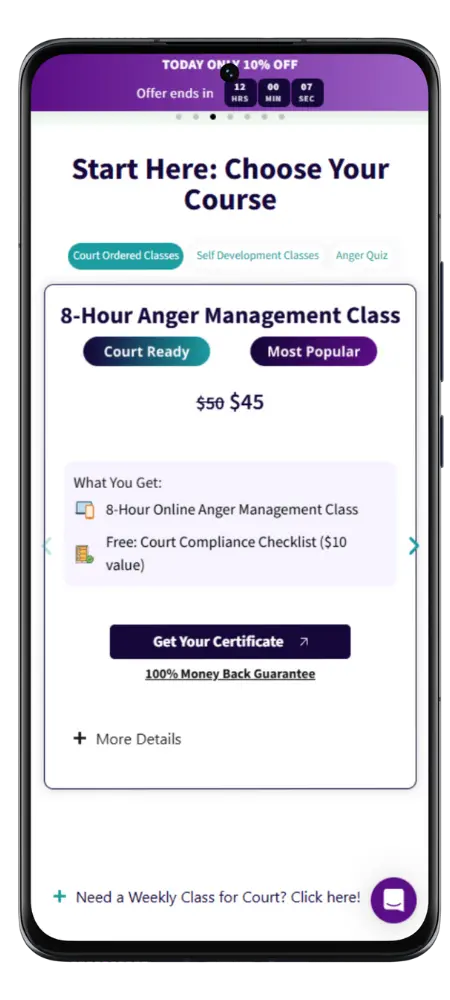
1. Pick Your Course & Enroll
Create your account and enroll in under 2 minutes.
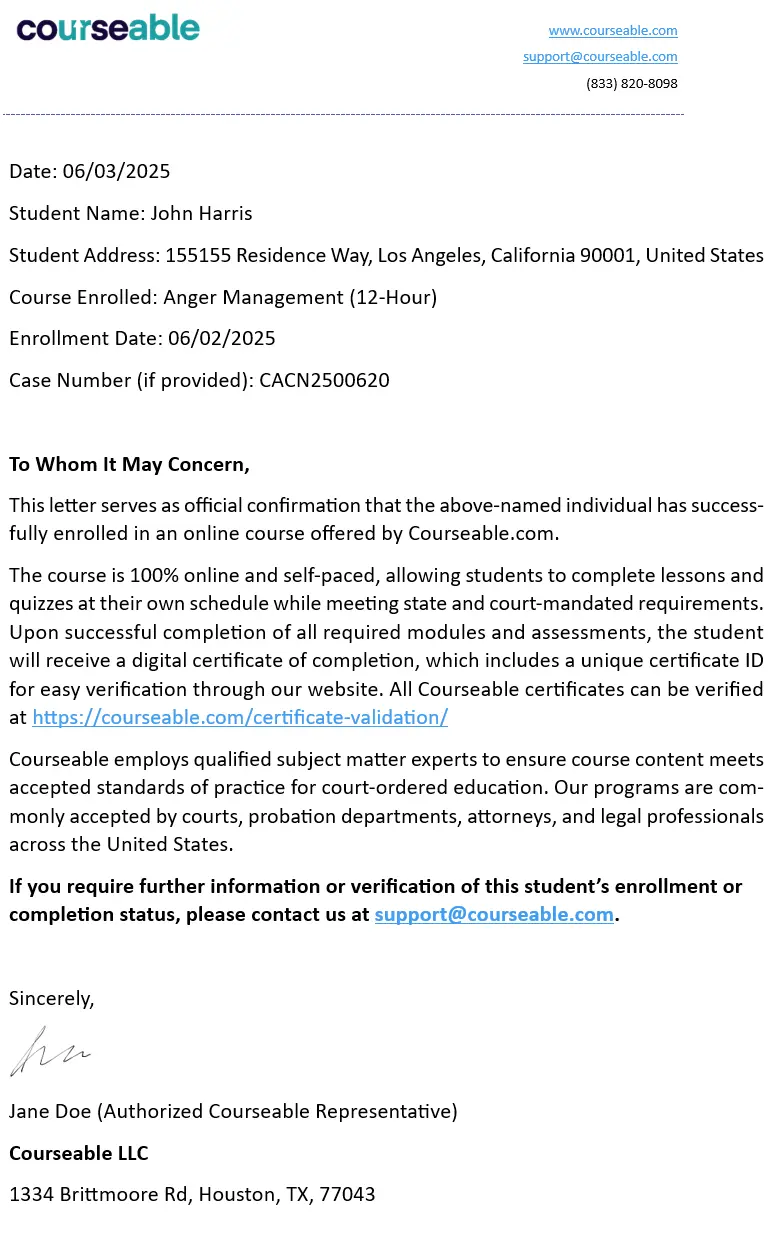
2. Receive Proof of Enrollment
Receive official proof to share with your attorney or court.
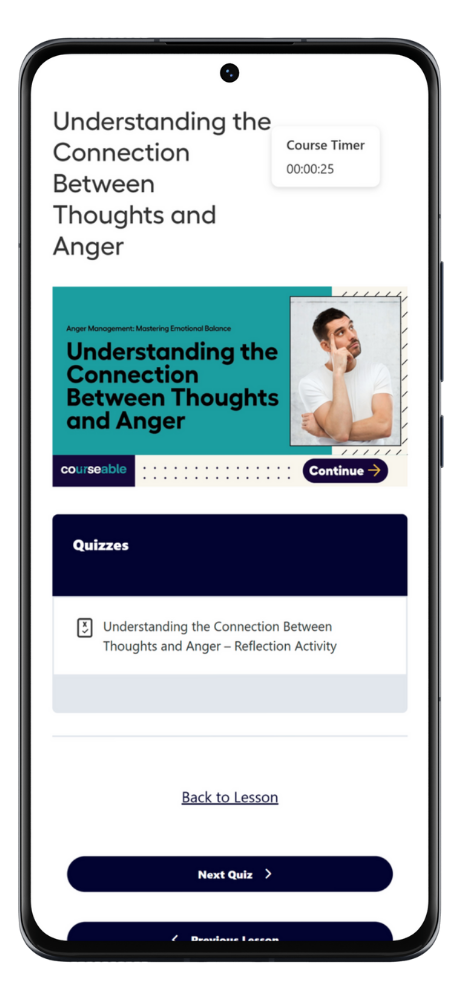
3. Complete at Your Own Pace
Learn on any device. Stop and resume anytime — your progress is saved.
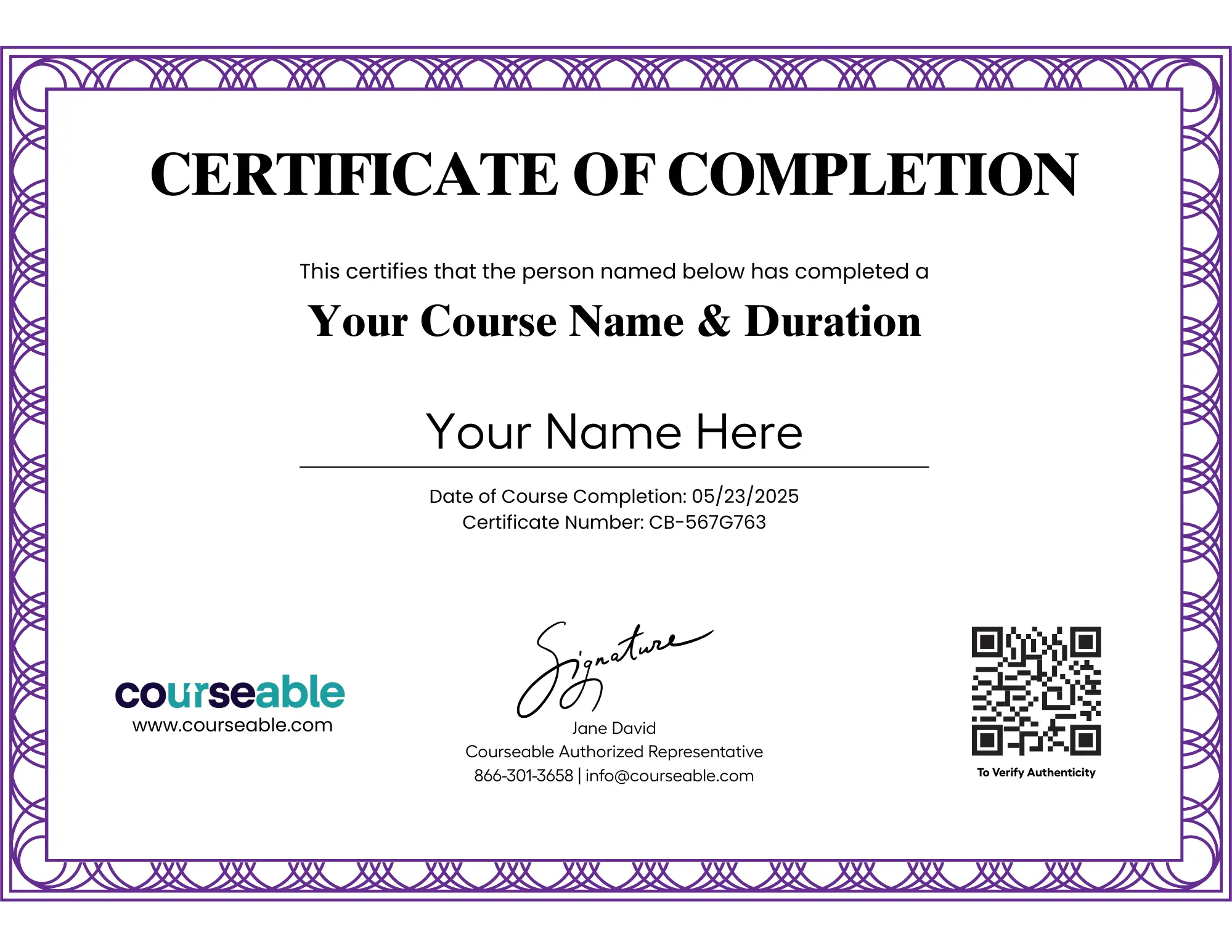
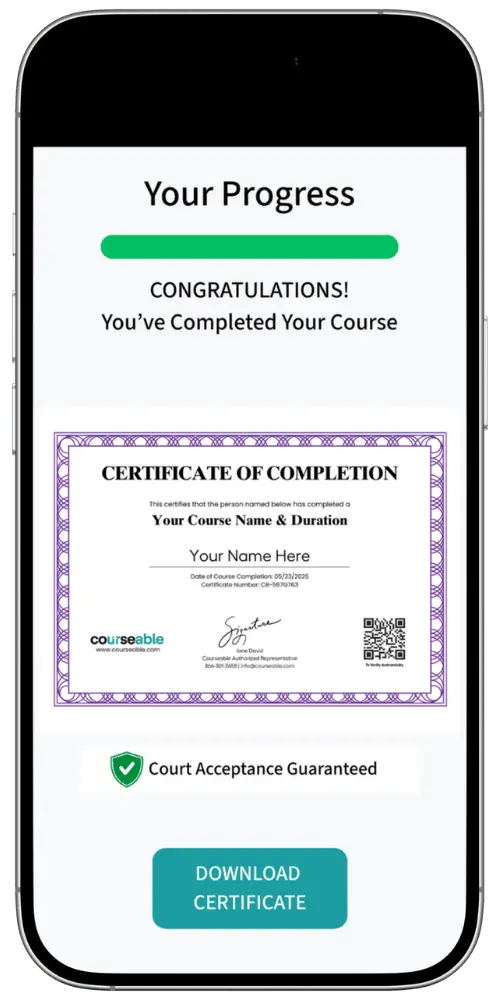
4. Download Your Certificate
Instantly download your court-accepted certificate. Print or email it directly.

5. Submit to Your Kentucky Court
Complete your requirement and get back to your life.
Start Here
Not sure which alcohol awareness class you need?
Let's find your class
Every court has specific requirements. Answer a few quick questions and we'll match you with the exact class you need.
Find My Class- 100% Court Acceptance
- Lowest Price Guarantee
- Phone, Tablet & Computer
Created By Certified Experts
Evidence-based content built by a Certified Alcohol and Drug Counselor who has spent her career supporting people through education and recovery.

Course Author
Linda Barnes, MS, CADC
Certified Substance Abuse Counselor & Addiction Specialist
Linda Barnes is a dedicated and compassionate Certified Substance Abuse Counselor with a Master's degree in Addiction Counseling. With years of experience supporting individuals on their path to recovery, Linda specializes in evidence-based treatment approaches, relapse prevention, and trauma-informed care. Her commitment to empowering clients through education, empathy, and personalized support has made her a trusted advocate in the addiction recovery community.

Curriculum Reviewer
Licensed Marriage and Family Therapist · Anger Management Course Designer
Tiffany Gorham is a Licensed Marriage and Family Therapist in Oklahoma and the designer of Courseable's self-paced anger management course. Her counseling practice focuses on anxiety, grief, and supporting suicide loss survivors, and she has built it around one goal: helping people develop the resiliency to overcome fear, anxiety, and other mental health challenges.
Trusted by Attorneys and Probation Officers Alike
When defense attorneys and probation officers — often on opposing sides of a case — both recommend the same program, it's because the certificates hold up in court. Every time.



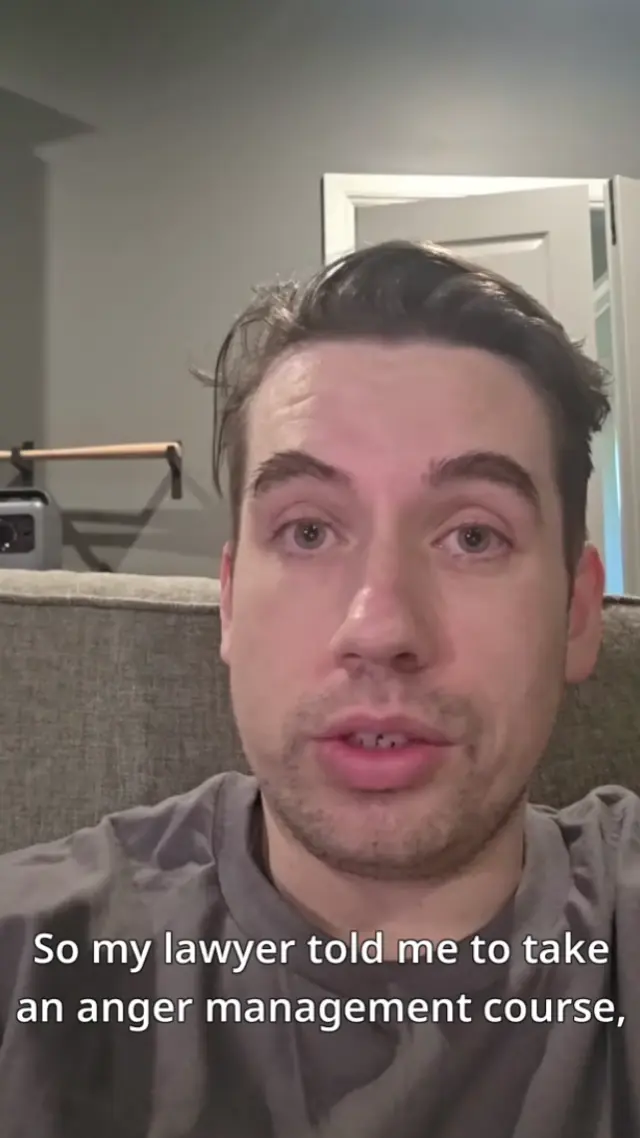
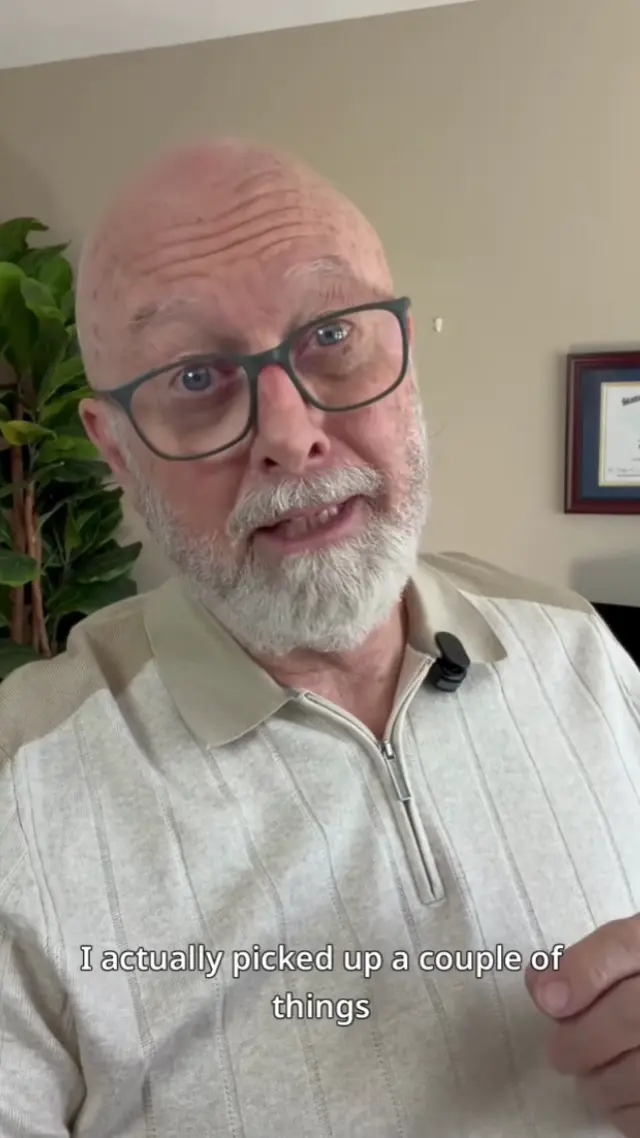
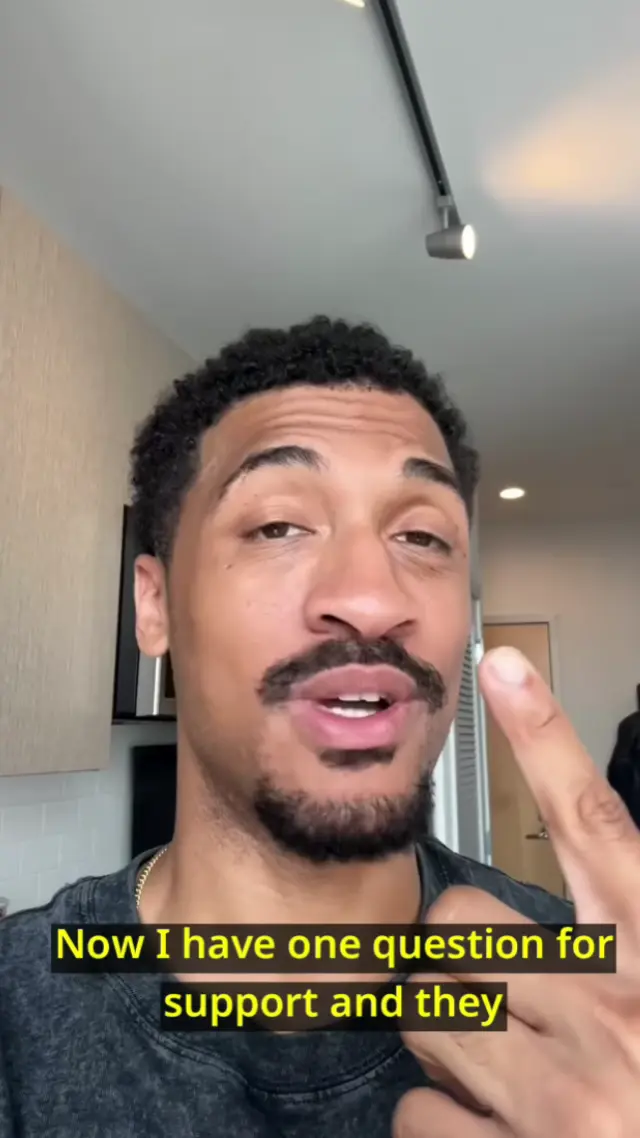
See What They're Saying
See why thousands trust Courseable to get their court-accepted certificates.


Common Questions
Quick answers to help you get started
Will my court accept this certificate?
Yes, 100% guaranteed. Our courses are accepted by courts in all 50 states. If your court doesn't accept our certificate for any reason, we'll give you a full refund.
How long does the course take?
Most students complete their course in one sitting. You can also stop and resume anytime — your progress is automatically saved.
When do I get my certificate?
Immediately. As soon as you complete the course, your certificate is ready to download. You can print it or email it directly to your attorney or probation officer.
Why Choose Courseable?
See how we compare to other online impulse control & decision-making providers.
Trusted by Thousands of Users Like You
"I took the 8-hour course and I learnt a lot. The course content is very high quality. It's direct, to the point, and precise. It was also the cheapest 8-hour course I could find online that was court-approved. And best of all, my court accepted the certificate without any issues."
"Course was concise, easy to follow and effective in transmitting the source material into practical knowledge. I highly recommend!!"
"I took this course for a court requirement, and I went into it with very low expectations. But to my surprise, I found this class to be actually very beneficial as it was packed with really effective strategies. I got my court requirement fulfilled and also improved myself. Thank you!"
"I thought this was a helpful course because it opened my eyes to things I 'thought I knew,' but never gave them the attention that they needed. I was able to take things from this course that I am confident I can apply to my life for immediate and long-term benefit."
"Learned more than I expected. The anger management course was very thorough. And the online system they have is super easy to use too. I did everything on my phone and had the certificate in under a day. Highly recommend to anyone looking for an Anger class."
"Was not sure I actually had an anger issue. But this course has opened my eyes and showed me that I do and it was affecting my relationship with my son. Now I have the skills to improve and save my relationship with my son."
"It was a very easy course to follow and allows for you to seamlessly pick up where you leave off. The price is perfect as well!"

Accepted in Kentucky Courts Including:
Court-ordered impulse control classes in Kentucky
In Kentucky, circuit courts and the Department of Corrections Division of Probation and Parole commonly order impulse-control, decision-making, or cognitive-skills education as a condition of probation, diversion, or a deferred sentence — often for matters like petty theft or shoplifting, disorderly conduct, criminal mischief, or a first offense. Kentucky orders are typically written in hours rather than naming a specific provider, so an accepted, hour-matched course can satisfy the requirement. Match your certificate's hours to the figure in your order, and confirm with your court first.
One class, many order names
Courts and probation officers in Kentucky write this requirement under several names — impulse control, decision-making, adult decision-making course, thinking errors, making better choices, or cognitive skills. This course covers the cognitive-behavioral skills all of those orders require, and the certificate documents the curriculum and hours completed. If your order names a specific licensed, facilitator-led program — such as Thinking for a Change® or MRT® — check with your probation officer first.
Hours and verification
Ask your probation officer or court clerk whether an online, self-paced certificate is accepted, confirm the number of hours (4, 8, 12, or 16) named in your order, and keep your enrollment confirmation. A longer certificate satisfies a shorter requirement, so when in doubt choose more hours.
This is general guidance for Kentucky residents, not legal advice — court-order language varies, so confirm the specifics with your court or attorney.
Everything You Need to Know
Detailed answers about our Impulse Control & Decision-Making course
Yes, in most cases — circuit courts and the Department of Corrections Division of Probation and Parole in Kentucky generally accept online, self-paced certificates for impulse-control and decision-making orders. Because the final decision rests with your judge or probation officer, confirm the format with your court first; if they decline our certificate, you're covered by the money-back guarantee.
Yes, 100% guaranteed. Our courses are accepted by courts in all 50 states. If your court doesn't accept our certificate for any reason, we'll give you a full refund.
An impulse control class is a cognitive-behavioral skills course that courts, probation officers, and diversion programs order when a charge involved acting on impulse — commonly petty theft or shoplifting, disorderly conduct, vandalism, or a first offense. It teaches practical skills: pausing before acting, managing strong emotions, weighing consequences, and recognizing the thinking traps behind poor decisions.
This is that class. Our curriculum includes dedicated impulse-control and emotion-regulation lessons, and your certificate documents the curriculum and hours completed — accepted by courts in all 50 states, or your money back.
If your paperwork says impulse control, decision-making, thinking errors, or making better choices — yes. Courts commonly order impulse-control classes for theft-related charges, and this course teaches the skills those orders require: impulse control, consequence thinking, and better decision-making.
If your order specifically names a "theft awareness" or "anti-theft" class instead, contact our support team before enrolling and we'll confirm the right fit. Either way, you're protected by our 100% acceptance guarantee.
Yes. "Decision-making" and "impulse control" are two names courts use for the same type of cognitive-behavioral skills class. Our curriculum covers both — a complete decision-making framework plus dedicated impulse-control and emotion-regulation lessons — and your certificate documents the full curriculum and hours completed. Courts that order "decision-making" accept this class — guaranteed, or your money back.
Almost always, yes. These are different names for the same family of CBT-based classes, and our curriculum covers the required skills: recognizing thinking traps, managing impulses, weighing consequences, and making values-based choices. If your order names a specific licensed program (like Thinking for a Change® or MRT®), check with your probation officer first. Either way, you're protected by our 100% acceptance guarantee.
Yes. "Adult Decision-Making Course" is the name many prosecutors' diversion programs and probation departments use for this requirement. This is a 100% online adult decision-making course covering the decision-making and impulse-control skills those orders require, and your certificate documents the curriculum and hours completed. If your paperwork uses that name, this course satisfies it — from anywhere in the country, backed by our 100% acceptance guarantee.
Our curriculum is created by Jennifer Connor-Smith, PhD, a licensed psychologist and cognitive-behavioral-therapy expert who specializes in decision-making and behavioral science. You'll learn:
- A simple, repeatable framework for making better decisions
- How to cool down and define a problem clearly before reacting
- Impulse-control and emotion-regulation strategies
- How to connect your values and goals to everyday choices
- How to handle conflict, peer pressure, and group decisions
Even students who initially enrolled just to meet a court requirement report gaining practical skills they use at work and at home.
Check your court order or ask your attorney. The required hours should be specified in your court documentation, plea agreement, or probation terms.
If you're unsure, here are some general guidelines:
- 4 hours: Often required for minor incidents or first-time offenses
- 8 hours: Common for misdemeanor charges
- 12 hours: Meets requirements for most state courts
- 16 hours: Required for some felony cases or repeat offenses
When in doubt, choose more hours. A longer certificate satisfies a shorter requirement. Courts accept certificates that exceed the minimum requirement.
Still unsure? Reach our support team — we're happy to help.
That depends on the length your court requires — 4, 8, 12, or 16 hours. Many students complete the 4-hour course in one sitting; you can also stop and resume anytime — your progress is automatically saved.
This class is 100% self-paced. There are no weekly classes to attend and no waiting periods.
You can complete the entire course in one sitting if you wish, or break it up over several days. You have full control over your schedule.
If your court order specifically requires "weekly sessions," this self-paced course may not meet that specific requirement. For standard hourly requirements, this self-paced format is widely accepted.
Yes — our course works on any device. Over 50% of our students complete their course entirely on their phone.
You can switch between devices anytime. Start on your phone during lunch, continue on your laptop at home — your progress is automatically saved and synced.
No app download required. The course runs in your web browser (Chrome, Safari, Firefox, or Edge) on iPhone, Android, iPad, tablets, laptops, and desktop computers.
This is an adult class. If a court ordered a class for someone under 18, contact our support team before enrolling and we'll help you find the right fit.
Immediately. As soon as you complete the course, your certificate is ready to download. You can print it or email it directly to your attorney or probation officer.
Still have questions? We're here to help.
Chat With UsComprehensive Court Approved Curriculum
Evidence-based impulse-control and decision-making content designed by a licensed psychologist to help you build lasting skills.

Calm your mind and body before reacting, then learn to define the real problem clearly so you can think through a situation rather than rush into it.
Practice generating and comparing options, weighing the short- and long-term consequences of each before committing to a choice.
Put the decision-making steps to work on realistic and personal scenarios, turning the framework into a habit you can use under pressure.
Complete a final quiz covering all course material. A passing score earns your court-accepted Certificate of Completion.
Calm your mind and body before reacting, then learn to define the real problem clearly so you can think through a situation rather than rush into it.
Practice generating and comparing options, weighing the short- and long-term consequences of each before committing to a choice.
Put the decision-making steps to work on realistic and personal scenarios, turning the framework into a habit you can use under pressure.
Identify and name your emotions, understand how they influence your decisions, and build skills to manage strong feelings before acting on them.
Learn strategies for pausing, delaying gratification, and thinking long term so impulses don't override well-considered choices.
Clarify the core values that matter most to you and connect them to the decisions you make every day, so your choices reflect who you want to be.
Develop clear, respectful communication skills — expressing yourself, listening with empathy, and understanding others accurately.
Complete a final quiz covering all course material. A passing score earns your court-accepted Certificate of Completion.
Calm your mind and body before reacting, then learn to define the real problem clearly so you can think through a situation rather than rush into it.
Practice generating and comparing options, weighing the short- and long-term consequences of each before committing to a choice.
Put the decision-making steps to work on realistic and personal scenarios, turning the framework into a habit you can use under pressure.
Identify and name your emotions, understand how they influence your decisions, and build skills to manage strong feelings before acting on them.
Learn strategies for pausing, delaying gratification, and thinking long term so impulses don't override well-considered choices.
Clarify the core values that matter most to you and connect them to the decisions you make every day, so your choices reflect who you want to be.
Develop clear, respectful communication skills — expressing yourself, listening with empathy, and understanding others accurately.
Explore the basic brain science behind choices — emotional versus logical reasoning, and the difference between thinking fast and thinking slow.
Recognize the common cognitive biases and thinking traps that distort judgment, and practice strategies to check your assumptions before deciding.
Turn your direction and values into clear, achievable goals, and build practical plans you can actually follow through on.
Learn to manage conflict constructively — setting and respecting boundaries and staying composed when disagreements arise.
Complete a final quiz covering all course material. A passing score earns your court-accepted Certificate of Completion.
Calm your mind and body before reacting, then learn to define the real problem clearly so you can think through a situation rather than rush into it.
Practice generating and comparing options, weighing the short- and long-term consequences of each before committing to a choice.
Put the decision-making steps to work on realistic and personal scenarios, turning the framework into a habit you can use under pressure.
Identify and name your emotions, understand how they influence your decisions, and build skills to manage strong feelings before acting on them.
Learn strategies for pausing, delaying gratification, and thinking long term so impulses don't override well-considered choices.
Clarify the core values that matter most to you and connect them to the decisions you make every day, so your choices reflect who you want to be.
Develop clear, respectful communication skills — expressing yourself, listening with empathy, and understanding others accurately.
Explore the basic brain science behind choices — emotional versus logical reasoning, and the difference between thinking fast and thinking slow.
Recognize the common cognitive biases and thinking traps that distort judgment, and practice strategies to check your assumptions before deciding.
Turn your direction and values into clear, achievable goals, and build practical plans you can actually follow through on.
Learn to manage conflict constructively — setting and respecting boundaries and staying composed when disagreements arise.
Bridge the gap between deciding and doing. Learn to take action on your decisions and stay motivated to keep your momentum going.
Reduce decision fatigue by building good habits and routines, helping you prevent problems before they start.
Recognize how stress, peer pressure, and group dynamics can sway your choices, and learn to make decisions that are genuinely your own.
Understand how your decisions shape trust in your relationships and at work, and how taking accountability opens up new opportunities.
Complete a final quiz covering all course material. A passing score earns your court-accepted Certificate of Completion.